


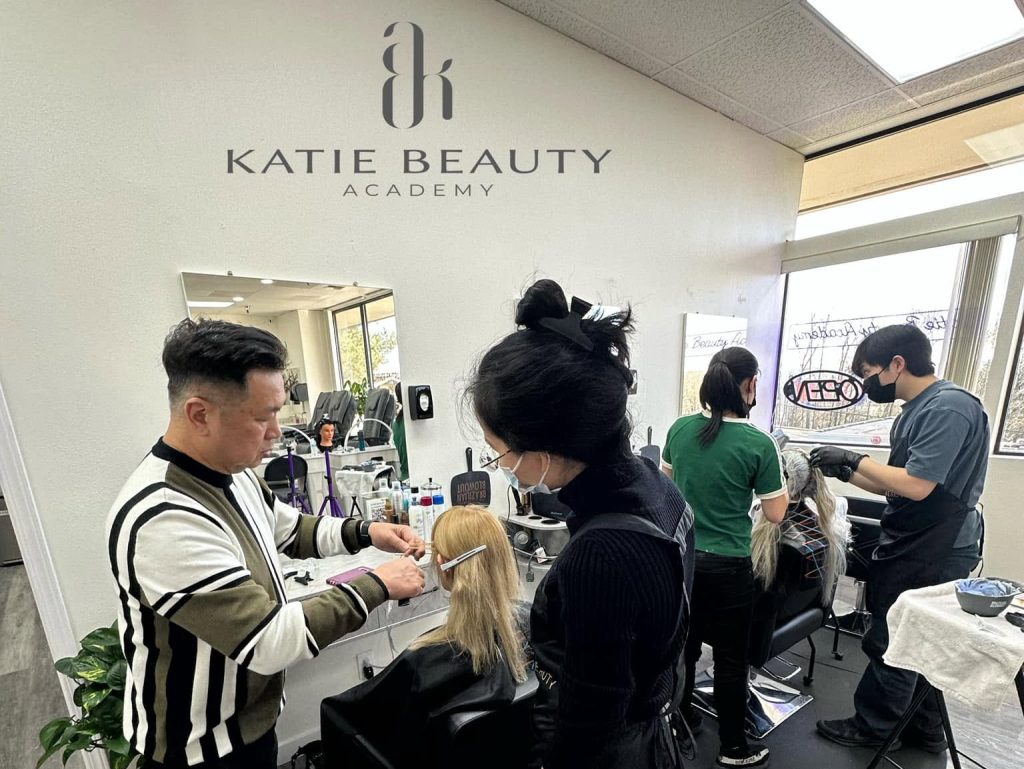
• Men's and Women's Haircuts:
Students learn haircutting techniques tailored to both men and women, covering styles from classic cuts to modern trends.
•. Clipper Techniques:
Emphasis on mastering clippers for fades, tapers, and other popular styles. Students gain hands-on experience in precise and efficient clipper use.
• Barber Theory:
This includes the science of hair, scalp care, hygiene, and sanitation, along with an understanding of hair growth, texture, and structure.
• Basic and Advanced Techniques:
From foundational haircutting methods to advanced styling and cutting, students build a full skill set for diverse client needs.
• Styling:
Students learn techniques for finishing cuts with products, blow-drying, and styling tools for a polished look.
• Razor Shaving:
Training covers safe and effective razor shaving techniques, including beard shaping, line-ups, and full-face shaves.
• Facials:Training covers skin analysis, cleansing, exfoliating, masking, and moisturizing, allowing students to provide customized treatments.
• Waxing:Students learn safe and effective techniques for hair removal on various body areas, focusing on client comfort and hygiene.
• Eyelash Enhancement:Techniques include lash extensions, lifts, and tinting to create fuller and more defined lashes.
• Makeup:This covers basic makeup application techniques, including color matching, contouring, and different looks for occasions or client needs
• Sanitation and Disinfection:Emphasis is placed on maintaining a clean environment, with proper sanitation and disinfection practices to ensure safety.
• Haircuts:Students learn about different haircutting techniques and tools, adapting cuts for various face shapes, textures, and personal styles. This includes basic trims, layered cuts, and advanced cutting methods
• Color:Training involves color theory, application methods, and product knowledge. Students practice techniques like all-over color, highlights, balayage, and color correction, learning how to customize colors for each client.
• Perm:Cosmetology programs teach perming techniques, focusing on rod placement, chemical application, and safety. Students learn to create curls, waves, and texture based on client preferences.
• Hairstyling:Students learn to style hair for everyday looks and special occasions, using tools such as blow dryers, curling irons, and straighteners. This includes updos, braiding, and modern styling trends.
• Facial:Basic skincare techniques are taught, such as cleansing, exfoliating, moisturizing, and performing facials.Students also learn skin analysis to provide personalized treatments.
• Waxing:Students practice safe hair removal techniques for areas like brows, lips, and body, with attention to client comfort and hygiene.
• Basic Nails:Cosmetology covers fundamental nail care, including manicures and pedicures. Students learn nail shaping, cuticle care, polish application, and simple nail art designs.
• Artificial and Natural Nail Care:Covers techniques for enhancing both natural nails and applying artificial enhancements, including gel shellac and acrylics.
• Manicure and Pedicure:Training includes nail shaping, cuticle care, massage, and polish for hands and feet.
• Infection Control and Hygiene:Emphasis on maintaining cleanliness and preventing infection through proper sanitation practices.
• Nail Wraps and Extensions:Techniques for applying wraps and nail extensions for added length and durability.
•. Anatomy and Physiology of Nails:Understanding nail structure and health to provide safe, effective services.
• Polishing and Nail Art:Techniques for polishing, as well as creative nail art, including designs, embellishments, and painting.
• Salon Safety and Management:Learning to maintain a safe salon environment and manage client services effectively.
• Nail and Skin Disorders:Identifying common disorders to ensure safety and provide referrals as needed.09. Client Consultation and Business Practices:Skills for effective communication and business basics, preparing students for professional success.